10 Qualities That Require Zero Talent but Help You Stand Out in Job Applications
The soft skills employers notice immediately When applying for a job, most candidates focus on qualifications, technical skills and experience. While these are important, many hiring decisions come down to something much simpler: soft skills. Soft skills are the behaviours and attitudes that shape how you work, communicate and contribute to a team. They are…

By Nicole Hart
Job Seeker • March 9, 2026
The soft skills employers notice immediately
When applying for a job, most candidates focus on qualifications, technical skills and experience. While these are important, many hiring decisions come down to something much simpler: soft skills.
Soft skills are the behaviours and attitudes that shape how you work, communicate and contribute to a team. They are developed through school, work, sport, volunteering and everyday experiences.
Interestingly, many of the qualities employers value most do not require specialised talent or years of experience. They are habits and behaviours anyone can demonstrate.
If you consistently show these qualities in your job applications, interviews and day-to-day work, you immediately place yourself ahead of many other candidates.
Below are ten qualities that require zero talent but can significantly improve how employers perceive you.
10 Qualities That Require Zero Talent but Employers Value Most
1. Being on time
Punctuality is one of the simplest ways to show professionalism.
Arriving on time for interviews, meetings and shifts demonstrates reliability and respect for other people’s time. It also signals that you are organised and take commitments seriously.
If unexpected delays happen, communicating early also reflects professionalism.
2. Strong work ethic
A strong work ethic means consistently showing up ready to contribute.
Employers want to see that you are willing to put in the effort required to complete tasks, solve problems and support your team. This does not mean working excessive hours. It means demonstrating commitment and responsibility in your role.
3. Effort and initiative
Effort goes beyond simply completing assigned tasks. It means looking for ways to improve processes, help colleagues or solve problems.
Examples might include:
- Volunteering to help with a new project
- Suggesting improvements to a process
- Learning new skills outside formal training
These behaviours show employers that you take ownership of your work.
4. Positive attitude
Every job includes tasks that are less enjoyable than others. What matters is how you approach them.
A positive attitude shows resilience and professionalism, especially during challenging situations.
Employers value people who stay constructive and contribute to a supportive workplace environment.
5. Energy and engagement
Employers look for candidates who appear engaged and motivated.
Energy does not mean being overly enthusiastic. It simply means showing interest in the role, asking thoughtful questions and demonstrating that you are ready to contribute.
6. Preparation
Preparation can significantly influence your interview performance.
Before attending an interview, take time to:
- Research the company
- Review the job description
- Prepare examples from your past experience
- Practice answering common interview questions
Preparation helps you communicate clearly and confidently.
7. Genuine interest in the role
Employers want to understand why you applied for the position.
Candidates who show genuine interest tend to perform better and remain longer in the role.
Explain what attracted you to the role and how it aligns with your career goals.
8. Being coachable
No employer expects you to know everything on day one.
What employers value is a willingness to learn. Being coachable means accepting feedback, asking questions and actively developing your skills.
Candidates who demonstrate this mindset are often the easiest to train and develop.
9. Going the extra mile
Employers notice candidates who contribute beyond the bare minimum.
This could include:
- Helping teammates during busy periods
- Volunteering for additional tasks
- Taking part in training or development opportunities
These actions show commitment and team spirit.
10. Positive body language
Communication is not only verbal. Body language plays an important role in how you are perceived.
During interviews:
- Maintain eye contact
- Face the interviewer when speaking
- Show active listening through small acknowledgements
- Keep a relaxed but attentive posture
These behaviours help create a confident and professional impression.
Soft skills examples you can include on your CV
Soft skills should not just be listed on a CV. They should be supported with examples.
Instead of writing:
Strong teamwork skills
You could write:
Supported warehouse team during peak season, helping maintain productivity targets and assisting new team members with onboarding tasks.
Examples help employers understand how your soft skills translate into real workplace behaviours.
Why soft skills matter to employers
Technical skills help you qualify for a role, but soft skills often determine whether you are selected.
Employers want people who can:
- Work well with others
- Communicate clearly
- Take responsibility for their work
- Adapt and learn quickly
These behaviours contribute directly to workplace culture and team performance.
The good news is that these qualities can be demonstrated by anyone, regardless of experience level.
Frequently Asked Questions About Soft Skills
What are soft skills in a job application?
Soft skills are personal behaviours and attitudes that influence how you work with others. Examples include communication, reliability, teamwork, initiative and a positive attitude.
Why are soft skills important to employers?
Soft skills help employees collaborate, adapt to challenges and contribute to a positive workplace culture. Employers often prioritise these qualities when choosing between candidates with similar technical skills.
How can I show soft skills on my CV?
The best way to demonstrate soft skills is by including real examples from your work, education or volunteer experience that show how you used those skills in practice.
Can soft skills help you get hired without much experience?
Yes. Candidates with limited work experience can still stand out by demonstrating reliability, willingness to learn, strong communication and a positive attitude.
Ready to take the next step in your career?
If you are ready for your next career opportunity, explore the latest roles available through Fuse Recruitment.
You can also explore our career advice resources to help improve your CV, prepare for interviews and navigate the job search process with confidence.
Related Content
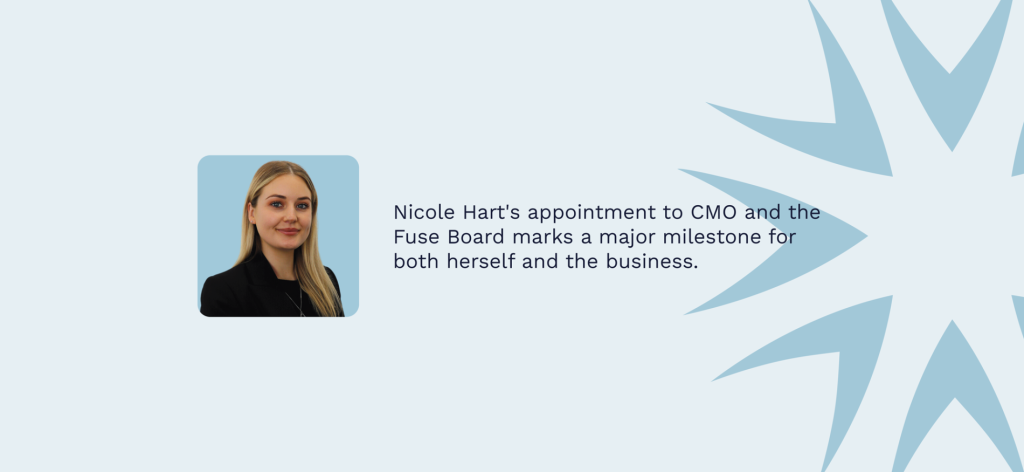
Nicole Hart Appointed Chief Marketing Officer and Board Member
Fuse Recruitment is proud to announce the promotion of Nicole Hart to Chief Marketing Officer and her appointment to the Fuse Board. Nicole’s journey with Fuse began nine years ago when she joined the business fresh out of university. Since then, she has grown alongside the company, playing a key role in shaping the Fuse…

10 Qualities That Require Zero Talent but Help You Stand Out in Job Applications
The soft skills employers notice immediately When applying for a job, most candidates focus on qualifications, technical skills and experience. While these are important, many hiring decisions come down to something much simpler: soft skills. Soft skills are the behaviours and attitudes that shape how you work, communicate and contribute to a team. They are…

How to explain redundancy in a future job interview
How to confidently discuss redundancy with future employers Being made redundant can feel like a setback. It often comes unexpectedly and can leave people questioning their next steps. However, redundancy is a common part of the modern workforce. Businesses restructure, projects end, and economic conditions change. In many cases, redundancy has nothing to do with…
Related Content
Nicole Hart Appointed Chief Marketing Officer and Board Member
Fuse Recruitment is proud to announce the promotion of Nicole Hart to Chief Marketing Officer and her appointment to the Fuse Board. Nicole’s journey with Fuse began nine years ago when she joined the business fresh out of university. Since then, she has grown alongside the company, playing a key role in shaping the Fuse…
10 Qualities That Require Zero Talent but Help You Stand Out in Job Applications
The soft skills employers notice immediately When applying for a job, most candidates focus on qualifications, technical skills and experience. While these are important, many hiring decisions come down to something much simpler: soft skills. Soft skills are the behaviours and attitudes that shape how you work, communicate and contribute to a team. They are…
How to explain redundancy in a future job interview
How to confidently discuss redundancy with future employers Being made redundant can feel like a setback. It often comes unexpectedly and can leave people questioning their next steps. However, redundancy is a common part of the modern workforce. Businesses restructure, projects end, and economic conditions change. In many cases, redundancy has nothing to do with…

10 Tips to Maintain a Positive Attitude at Work
Simple habits that help you succeed professionally Your attitude at work can have a significant impact on your career. While technical skills and experience are important, employers often place just as much value on how you approach challenges, interact with colleagues and handle pressure. A positive attitude can improve productivity, strengthen relationships with your team…

How to Challenge Yourself at Work and Stay Motivated in Your Career
Practical ways to grow your skills and stay engaged in your role Have you ever found yourself going through the motions at work? Many professionals experience periods where their role starts to feel repetitive or less stimulating. When this happens, motivation can drop, and work may feel less meaningful. Challenging yourself at work is one…

How to Make Your Trade Resume Stand Out
Practical tips to help trades and manufacturing workers secure more interviews In trades and manufacturing, strong hands-on skills are essential. But if your resume does not clearly show what you can do, employers may never get to see your capability in action. Many trade resumes are too vague, too short or missing key details. In…