
10 Tips to Maintain a Positive Attitude at Work
Simple habits that help you succeed professionally Your attitude at work can have a significant impact on your career. While technical skills and experience are important, employers often place just as much value on how you approach challenges, interact with colleagues and handle pressure. A positive attitude can improve productivity, strengthen relationships with your team…

By Nicole Hart
All Blogs• Career Development • March 7, 2026
Simple habits that help you succeed professionally
Your attitude at work can have a significant impact on your career.
While technical skills and experience are important, employers often place just as much value on how you approach challenges, interact with colleagues and handle pressure.
A positive attitude can improve productivity, strengthen relationships with your team and help you navigate difficult situations more effectively.
The good news is that attitude is something you can actively shape. Small daily habits can make a meaningful difference in how you approach your work and how others perceive you.
Below are ten practical ways to maintain a positive and professional attitude at work.
1. Act professionally in every situation
Professionalism is one of the most important indicators of attitude.
The way you communicate, respond to feedback and handle challenging situations all influence how colleagues and managers perceive you.
Maintain professionalism by:
- Communicating respectfully
- Staying calm under pressure
- Taking responsibility for mistakes
- Treating colleagues with courtesy
Your behaviour during difficult situations often leaves the strongest impression.
2. Create a workspace that helps you focus
You spend a large portion of your day at work, so your workspace should support productivity and comfort.
Keeping your workspace organised and personalising it in small ways can improve focus and motivation.
Simple changes might include:
- Keeping your desk clean and organised
- Adding personal touches such as photos or plants
- Reducing unnecessary clutter
A well-organised environment can contribute to a clearer mindset.
3. Take regular breaks to reset
Working continuously without breaks can reduce concentration and increase stress.
Short breaks allow your mind to reset and help maintain energy levels throughout the day.
Consider:
- Taking a short walk during lunch
- Stepping away from your desk for a few minutes
- Stretching or getting fresh air
These small pauses can help you return to work feeling more focused.
4. Focus on positive influences
Your environment can strongly influence your mindset.
Surrounding yourself with positive conversations, constructive thinking and supportive colleagues can help maintain a healthier perspective at work.
Simple ways to encourage positivity include:
- Listening to uplifting podcasts or music
- Keeping reminders of personal goals
- Practising gratitude for small wins during the day
Maintaining a positive outlook can improve both motivation and resilience.
5. Set personal goals
Setting goals helps create a sense of progress and achievement.
These goals do not always need to be related to formal targets. They can also focus on personal development.
Examples include:
- Learning a new skill
- Improving communication with clients or colleagues
- Becoming more efficient with a particular system or process
Achieving small goals regularly can boost confidence and engagement.
6. Manage your workload effectively
Feeling overwhelmed can quickly affect your attitude and productivity.
If your workload becomes difficult to manage, consider discussing priorities with your manager or seeking support from your team.
Helpful strategies include:
- Breaking large tasks into smaller steps
- Prioritising urgent work
- Asking for clarification when needed
Managing workload proactively can reduce stress and improve performance.
7. Maintain a constructive mindset
Not every day at work will feel perfect. Some tasks may be challenging or frustrating.
Maintaining a constructive mindset means focusing on solutions rather than problems.
Instead of dwelling on setbacks, ask yourself:
- What can I learn from this situation?
- What can I do differently next time?
- What steps will move the situation forward?
This mindset helps maintain momentum even during difficult moments.
8. Prioritise good sleep and wellbeing
Your physical wellbeing directly affects your attitude and performance at work.
Getting enough sleep helps improve concentration, decision-making and emotional resilience.
Simple habits that support workplace performance include:
- Maintaining consistent sleep routines
- Staying hydrated throughout the day
- Eating balanced meals
- Getting regular exercise
Taking care of your well-being supports both productivity and mindset.
9. Use simple techniques to manage stress
Stress is a natural part of many roles, but how you manage it matters.
Techniques such as deep breathing can help calm your mind and improve focus.
When feeling overwhelmed:
- Pause and take several slow breaths
- Step away from the situation briefly
- Reframe the problem into smaller steps
These techniques can help you regain clarity and composure.
10. Take ownership of your mindset
A positive attitude ultimately comes from personal responsibility.
Successful professionals recognise that while they cannot control every situation, they can control how they respond to it.
This means:
- Taking initiative
- Adapting to change
- Staying committed even when challenges arise
A proactive mindset allows you to turn obstacles into opportunities for growth.
Why attitude matters in the workplace
A positive attitude can influence many aspects of your career, including:
- Team collaboration
- Workplace relationships
- Career advancement opportunities
- Overall job satisfaction
Employers often look for individuals who bring energy, professionalism and resilience to their role.
While skills can be learned, attitude is what often determines long-term success.
Frequently Asked Questions About Attitude at Work
Why is attitude important in the workplace?
Attitude influences how you approach challenges, interact with colleagues and respond to feedback. A positive attitude helps create a more productive and supportive work environment.
How can I improve my attitude at work?
Improving your attitude can involve setting personal goals, managing stress effectively, maintaining a healthy routine and focusing on constructive solutions when problems arise.
Can attitude impact career growth?
Yes. Employees who maintain a positive and professional attitude are often seen as more reliable, collaborative and capable of handling greater responsibilities.
Continue developing your career
Developing a strong mindset and professional attitude can help you progress in your career.
If you are looking for your next opportunity or want more career advice, explore the latest opportunities through Fuse Recruitment.
You can also visit our advice hub for more resources on career development, job searching and professional growth.
Related Content
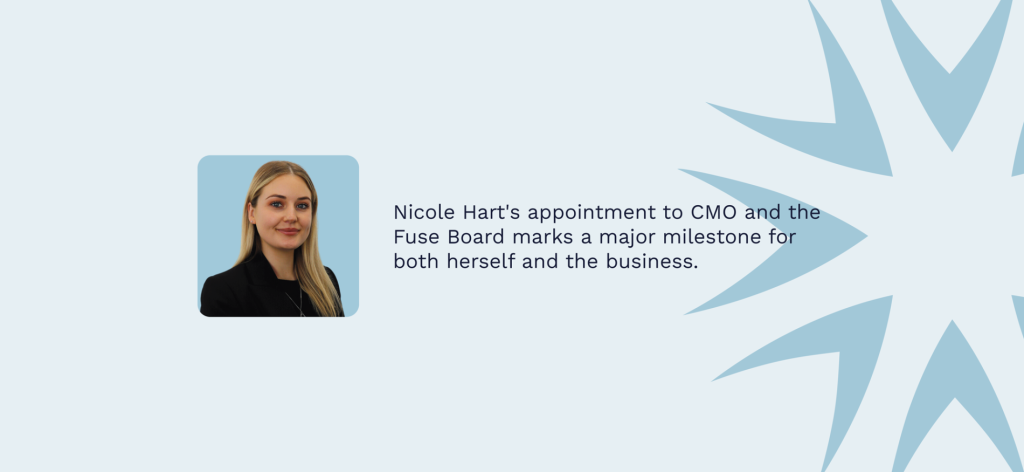
Nicole Hart Appointed Chief Marketing Officer and Board Member
Fuse Recruitment is proud to announce the promotion of Nicole Hart to Chief Marketing Officer and her appointment to the Fuse Board. Nicole’s journey with Fuse began nine years ago when she joined the business fresh out of university. Since then, she has grown alongside the company, playing a key role in shaping the Fuse…

10 Qualities That Require Zero Talent but Help You Stand Out in Job Applications
The soft skills employers notice immediately When applying for a job, most candidates focus on qualifications, technical skills and experience. While these are important, many hiring decisions come down to something much simpler: soft skills. Soft skills are the behaviours and attitudes that shape how you work, communicate and contribute to a team. They are…

How to explain redundancy in a future job interview
How to confidently discuss redundancy with future employers Being made redundant can feel like a setback. It often comes unexpectedly and can leave people questioning their next steps. However, redundancy is a common part of the modern workforce. Businesses restructure, projects end, and economic conditions change. In many cases, redundancy has nothing to do with…
Related Content
Nicole Hart Appointed Chief Marketing Officer and Board Member
Fuse Recruitment is proud to announce the promotion of Nicole Hart to Chief Marketing Officer and her appointment to the Fuse Board. Nicole’s journey with Fuse began nine years ago when she joined the business fresh out of university. Since then, she has grown alongside the company, playing a key role in shaping the Fuse…
10 Qualities That Require Zero Talent but Help You Stand Out in Job Applications
The soft skills employers notice immediately When applying for a job, most candidates focus on qualifications, technical skills and experience. While these are important, many hiring decisions come down to something much simpler: soft skills. Soft skills are the behaviours and attitudes that shape how you work, communicate and contribute to a team. They are…
How to explain redundancy in a future job interview
How to confidently discuss redundancy with future employers Being made redundant can feel like a setback. It often comes unexpectedly and can leave people questioning their next steps. However, redundancy is a common part of the modern workforce. Businesses restructure, projects end, and economic conditions change. In many cases, redundancy has nothing to do with…

10 Tips to Maintain a Positive Attitude at Work
Simple habits that help you succeed professionally Your attitude at work can have a significant impact on your career. While technical skills and experience are important, employers often place just as much value on how you approach challenges, interact with colleagues and handle pressure. A positive attitude can improve productivity, strengthen relationships with your team…

How to Challenge Yourself at Work and Stay Motivated in Your Career
Practical ways to grow your skills and stay engaged in your role Have you ever found yourself going through the motions at work? Many professionals experience periods where their role starts to feel repetitive or less stimulating. When this happens, motivation can drop, and work may feel less meaningful. Challenging yourself at work is one…

How to Make Your Trade Resume Stand Out
Practical tips to help trades and manufacturing workers secure more interviews In trades and manufacturing, strong hands-on skills are essential. But if your resume does not clearly show what you can do, employers may never get to see your capability in action. Many trade resumes are too vague, too short or missing key details. In…