How to explain redundancy in a future job interview
How to confidently discuss redundancy with future employers Being made redundant can feel like a setback. It often comes unexpectedly and can leave people questioning their next steps. However, redundancy is a common part of the modern workforce. Businesses restructure, projects end, and economic conditions change. In many cases, redundancy has nothing to do with…

By Suzane Mai
Job Seeker • March 8, 2026
How to confidently discuss redundancy with future employers
Being made redundant can feel like a setback. It often comes unexpectedly and can leave people questioning their next steps.
However, redundancy is a common part of the modern workforce. Businesses restructure, projects end, and economic conditions change. In many cases, redundancy has nothing to do with an employee’s performance or capability.
If you are applying for new roles after redundancy, it is likely that a hiring manager will ask about it during an interview.
The key is to address the situation confidently, honestly and professionally. When explained clearly, redundancy rarely becomes a barrier to securing your next opportunity.
Below are practical tips to help you explain redundancy effectively in a future job interview.
Be transparent and address it early
Avoid trying to hide a redundancy.
Instead, acknowledge it clearly in your CV, cover letter or during the interview if it comes up.
For example, you might briefly explain that your role ended due to:
- Company restructuring
- Budget reductions
- Department downsizing
- Project completion
- Organisational changes
Providing a clear explanation helps hiring managers understand that the situation was related to business circumstances rather than individual performance.
Transparency also prevents assumptions or misunderstandings.
Keep the explanation brief and factual
When discussing redundancy in an interview, keep your explanation clear and concise.
A simple response is often the most effective.
For example:
“My role was made redundant as part of a wider restructure when the company consolidated several teams. During my time there, I focused on delivering X and achieved Y outcomes.”
This approach does two things:
- It explains the redundancy clearly
- It redirects the conversation towards your contributions and achievements
Remember that redundancy is only one part of your career story.
Avoid speaking negatively about your previous employer
It is natural to feel disappointed after redundancy, but interviews are not the place to express frustration.
Speaking negatively about a former employer can create concerns about professionalism.
Instead, keep your language neutral and respectful.
Examples of positive phrasing include:
- “I appreciated the experience I gained during my time there.”
- “I learned a lot from the team and the projects I worked on.”
- “I’m grateful for the opportunity I had to develop my skills in that role.”
This approach shows maturity, professionalism and emotional intelligence.
Focus on your achievements and strengths
After briefly explaining the redundancy, shift the focus back to your skills, experience and achievements.
Hiring managers are primarily interested in understanding what you can bring to their organisation.
You might highlight:
- Key projects you delivered
- Measurable outcomes you achieved
- Skills you developed
- Responsibilities you managed
This ensures the conversation stays centred on your value as a candidate rather than the circumstances of your departure.
Prepare a confident response in advance
Preparing how you will explain redundancy can help you feel more confident during interviews.
A simple structure works well:
- Briefly explain the business reason for the redundancy
- Mention what you achieved in the role
- Share what you are now looking for in your next opportunity
For example:
“My position was made redundant when the company restructured its operations. During my time there, I worked on several projects that improved process efficiency across the team. I’m now looking for an opportunity where I can continue building on those skills and contribute to a growing organisation.”
Practising this response can help ensure the conversation flows naturally.
Use the time between roles productively
If you experienced a gap after redundancy, employers may also ask how you spent that time.
Using this period productively can strengthen your story.
Some examples include:
- Completing professional courses or certifications
- Attending webinars or industry events
- Expanding your professional network
- Keeping up to date with industry trends
- Volunteering or consulting on short-term projects
Even informal learning or self-directed study can demonstrate initiative and commitment to professional development.
Remember that redundancy does not define your career
Many successful professionals experience redundancy at some point in their careers.
What matters most is how you respond to the situation and how you present your experience moving forward.
Approaching interviews with confidence, honesty and professionalism will help employers focus on your skills and potential rather than the circumstances of your previous role ending.
Frequently Asked Questions About Explaining Redundancy
How do you explain redundancy in a job interview?
Explain the business reason for the redundancy briefly and factually, then shift the conversation to your achievements and what you are looking for in your next role.
Should I mention redundancy on my CV?
Yes. Being transparent about redundancy helps avoid confusion and shows honesty. You can include the end date of the role and briefly note that the position ended due to restructuring or organisational changes.
Will redundancy affect my chances of getting hired?
In most cases, no. Redundancy is common and hiring managers understand that business decisions can affect roles regardless of performance.
Looking for your next opportunity?
If you have recently experienced redundancy and are exploring your next career move, our team at Fuse Recruitment can help connect you with new opportunities.
You can also explore our advice hub for more resources on job searching, interviews and career development.
Related Content
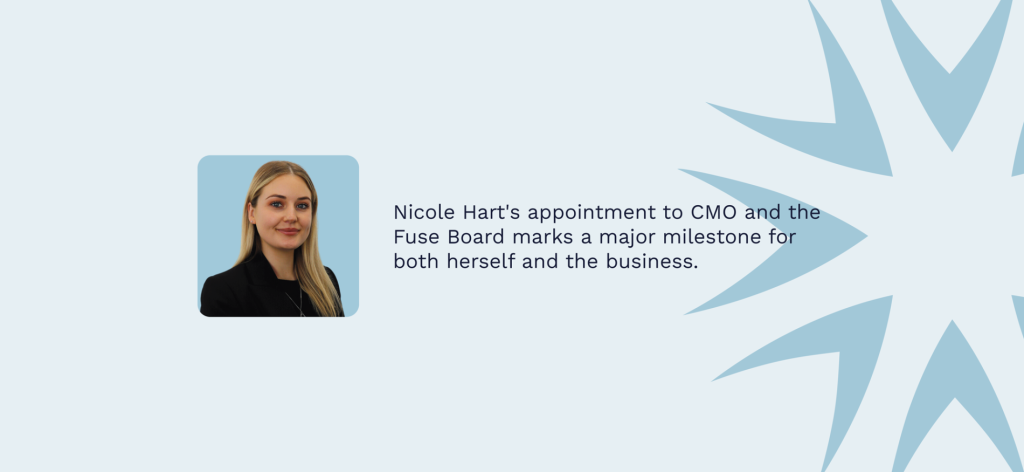
Nicole Hart Appointed Chief Marketing Officer and Board Member
Fuse Recruitment is proud to announce the promotion of Nicole Hart to Chief Marketing Officer and her appointment to the Fuse Board. Nicole’s journey with Fuse began nine years ago when she joined the business fresh out of university. Since then, she has grown alongside the company, playing a key role in shaping the Fuse…

10 Qualities That Require Zero Talent but Help You Stand Out in Job Applications
The soft skills employers notice immediately When applying for a job, most candidates focus on qualifications, technical skills and experience. While these are important, many hiring decisions come down to something much simpler: soft skills. Soft skills are the behaviours and attitudes that shape how you work, communicate and contribute to a team. They are…

How to explain redundancy in a future job interview
How to confidently discuss redundancy with future employers Being made redundant can feel like a setback. It often comes unexpectedly and can leave people questioning their next steps. However, redundancy is a common part of the modern workforce. Businesses restructure, projects end, and economic conditions change. In many cases, redundancy has nothing to do with…
Related Content
Nicole Hart Appointed Chief Marketing Officer and Board Member
Fuse Recruitment is proud to announce the promotion of Nicole Hart to Chief Marketing Officer and her appointment to the Fuse Board. Nicole’s journey with Fuse began nine years ago when she joined the business fresh out of university. Since then, she has grown alongside the company, playing a key role in shaping the Fuse…
10 Qualities That Require Zero Talent but Help You Stand Out in Job Applications
The soft skills employers notice immediately When applying for a job, most candidates focus on qualifications, technical skills and experience. While these are important, many hiring decisions come down to something much simpler: soft skills. Soft skills are the behaviours and attitudes that shape how you work, communicate and contribute to a team. They are…
How to explain redundancy in a future job interview
How to confidently discuss redundancy with future employers Being made redundant can feel like a setback. It often comes unexpectedly and can leave people questioning their next steps. However, redundancy is a common part of the modern workforce. Businesses restructure, projects end, and economic conditions change. In many cases, redundancy has nothing to do with…

10 Tips to Maintain a Positive Attitude at Work
Simple habits that help you succeed professionally Your attitude at work can have a significant impact on your career. While technical skills and experience are important, employers often place just as much value on how you approach challenges, interact with colleagues and handle pressure. A positive attitude can improve productivity, strengthen relationships with your team…

How to Challenge Yourself at Work and Stay Motivated in Your Career
Practical ways to grow your skills and stay engaged in your role Have you ever found yourself going through the motions at work? Many professionals experience periods where their role starts to feel repetitive or less stimulating. When this happens, motivation can drop, and work may feel less meaningful. Challenging yourself at work is one…

How to Make Your Trade Resume Stand Out
Practical tips to help trades and manufacturing workers secure more interviews In trades and manufacturing, strong hands-on skills are essential. But if your resume does not clearly show what you can do, employers may never get to see your capability in action. Many trade resumes are too vague, too short or missing key details. In…