
How to Build Renewable Energy Teams in Regional Australia
Australia’s renewable energy build-out is concentrated where the projects are, and that is increasingly outside the capital cities. The Clean Energy Council estimates that up to 75 per cent of clean energy jobs could be based in regional Australia by 2035. For employers, the real challenge is building and holding a team in the location where the work…

By Charisel Dela Pena
Renewable Energy • July 16, 2026
Australia’s renewable energy build-out is concentrated where the projects are, and that is increasingly outside the capital cities. The Clean Energy Council estimates that up to 75 per cent of clean energy jobs could be based in regional Australia by 2035. For employers, the real challenge is building and holding a team in the location where the work happens.
How do you build a renewable energy project team in regional Australia?
Building a regional renewable energy team means matching your workforce plan to the project lifecycle, mapping talent early, and planning accommodation and retention before construction starts. The best teams are scoped role by role and structured to hold through to operations.
Practical steps to follow:
- Scope the roles against each project phase, from development and construction through to operations.
- Map local labour supply before planning relocation or fly-in arrangements.
- Address mobility, accommodation and local talent development together, not as separate problems.
- Plan retention from the start, because the operations phase runs for decades.
Which roles are hardest to fill on regional renewable projects?
The hardest roles to fill are skilled trades and technical specialists, particularly electricians, high-voltage technicians, mechanical trades and electrical engineers. Jobs and Skills Australia has identified 38 occupations critical to the clean energy transition, many already in national shortage, and regional sites compete for the same talent as major city projects.
The roles most in demand include:
- Licensed electricians and high-voltage technicians
- Electrical, mechanical and civil engineers
- Wind and solar technicians for operations and maintenance
- Project managers, site supervisors and safety professionals
- Grid connection and transmission specialists
What are the risks and challenges of hiring for renewable projects?
The main risks are geographic mismatch, boom-and-bust demand, and competition for a shared talent pool. Most skilled workers live in cities while projects sit in the regions, and compressed construction schedules create sharp peaks in demand. The Clean Energy Council notes that regional projects compete for labour with capital-city infrastructure.
Key challenges to plan for:
- Geographic mismatch between where workers live and where projects sit, worsened by housing constraints.
- Boom-and-bust construction cycles that make stable, long-term hiring difficult.
- Competition for trades and engineers from infrastructure, mining and transmission projects.
- Long training lead times for trades and engineering roles that cannot be closed quickly.
How do mobility, accommodation and local talent development shape regional hiring?
Three levers decide whether a regional renewable team can be built and kept: worker mobility, accommodation, and local talent development. Employers who plan them together reduce time to hire and turnover. Jobs and Skills Australia expects regional employment to grow faster than metropolitan areas through the transition.
Mobility
Getting people to site sustainably matters as much as hiring them. Use relocation packages, fly-in, fly-out or drive-in, drive-out rosters, and travel support. Fair, predictable rosters reduce burnout and turnover.
Workforce accommodation
Confirm accommodation before mobilisation, not once workers arrive. Weigh purpose-built worker camps against local rental housing, and coordinate with councils so a project does not strain regional housing supply.
Local talent development
Grow capability in the region rather than importing it. Partner with local TAFEs on apprenticeships and traineeships, upskill current workers, and open pathways from construction into operations. Inclusive hiring, including women, First Nations workers and career changers, widens the local pool.
Frequently asked questions
Where are most renewable energy jobs located in Australia?
Most large-scale renewable projects sit in regional areas. The Clean Energy Council estimates up to 75 per cent of clean energy jobs could be based in regional Australia by 2035.
How do employers house workers on regional renewable projects?
Employers use a mix of purpose-built worker accommodation and local rental housing, arranged before mobilisation and coordinated with local councils to avoid straining regional housing supply.
How do you develop local talent for renewable energy roles?
Partner with local TAFEs on apprenticeships and traineeships, upskill existing workers, and create pathways from construction into ongoing operations roles.
When should you start hiring for a renewable project?
Workforce planning should begin during development, well before construction, so sourcing, relocation and accommodation can be arranged in time.
Ready to build your regional renewable energy team?
Building a team in regional Australia takes more than filling a vacancy list. It takes an understanding of the project lifecycle, the local labour market, and the work of getting people to site and keeping them there. At Fuse Recruitment, we partner with renewable energy employers to plan, source and build project teams across regional Australia, from construction through to operations. If you are scoping your next project or planning your workforce for the year ahead, learn more about our renewable energy recruitment to build a hiring plan that fits how your projects run.
Related Content

Spring Clean Your Career: 7 Quick Wins Before Christmas
The days are longer, the wardrobe’s getting an overhaul, and there’s a natural pull to clear out what’s no longer serving you. Your career deserves the same attention. Think of this as your seasonal checklist for making the rest of the year work in your favour. Nothing here takes more than an hour or two,…
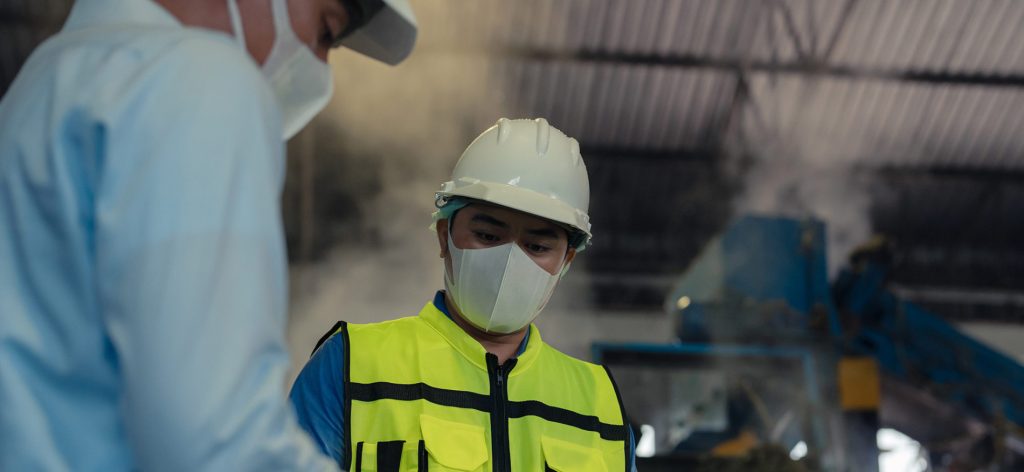
How to Build a Renewable Energy Workforce
Australia’s energy transition is moving fast. To hit the national target of 82 per cent renewable electricity by 2030, the country must build and operate a vast amount of new infrastructure, and that takes people. The Powering Skills Organisation’s 2025 Workforce Plan finds Australia needs around 42,000 extra energy trades workers by 2030, a workforce…

Building a Long-Term Career in Mortage Broking or Financial Advice
Here is a statistic worth pausing on. Fewer than 15,500 financial advisers now remain on ASIC’s Financial Advisers Register, even as demand for advice keeps rising. At the same time, mortgage brokers are writing a record 81 per cent of the nation’s new home loans. Across both fields, the message is the same. The people…
Related Content
Spring Clean Your Career: 7 Quick Wins Before Christmas
The days are longer, the wardrobe’s getting an overhaul, and there’s a natural pull to clear out what’s no longer serving you. Your career deserves the same attention. Think of this as your seasonal checklist for making the rest of the year work in your favour. Nothing here takes more than an hour or two,…
How to Build a Renewable Energy Workforce
Australia’s energy transition is moving fast. To hit the national target of 82 per cent renewable electricity by 2030, the country must build and operate a vast amount of new infrastructure, and that takes people. The Powering Skills Organisation’s 2025 Workforce Plan finds Australia needs around 42,000 extra energy trades workers by 2030, a workforce…
Building a Long-Term Career in Mortage Broking or Financial Advice
Here is a statistic worth pausing on. Fewer than 15,500 financial advisers now remain on ASIC’s Financial Advisers Register, even as demand for advice keeps rising. At the same time, mortgage brokers are writing a record 81 per cent of the nation’s new home loans. Across both fields, the message is the same. The people…

Why Digital Transformation Fails Without the Right People
Australian businesses are investing in technology at pace. New platforms, automation, data tools and AI are being rolled out across insurance, financial services, manufacturing, infrastructure and energy. The National AI Centre reports that 44 per cent of Australian small and medium businesses were using AI by February 2026, up from around 37 per cent a…
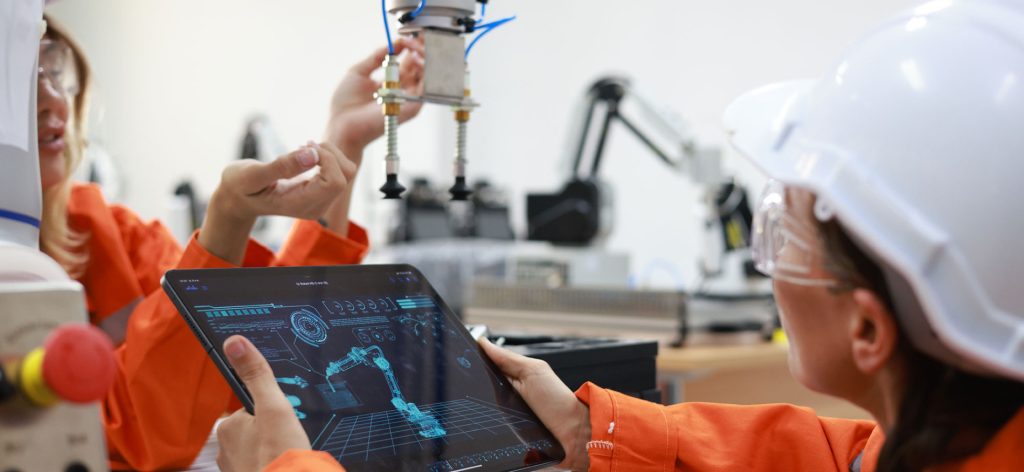
How to Retain Technical Talent in Regional Manufacturing
In Australia’s most remote areas, more than 80 per cent of employers say a job’s location is a reason they cannot attract enough applicants. For manufacturers in regional hubs, that is the daily reality. They compete with mining, construction and energy for the same skilled trades and technicians, often from a small local pool, and…
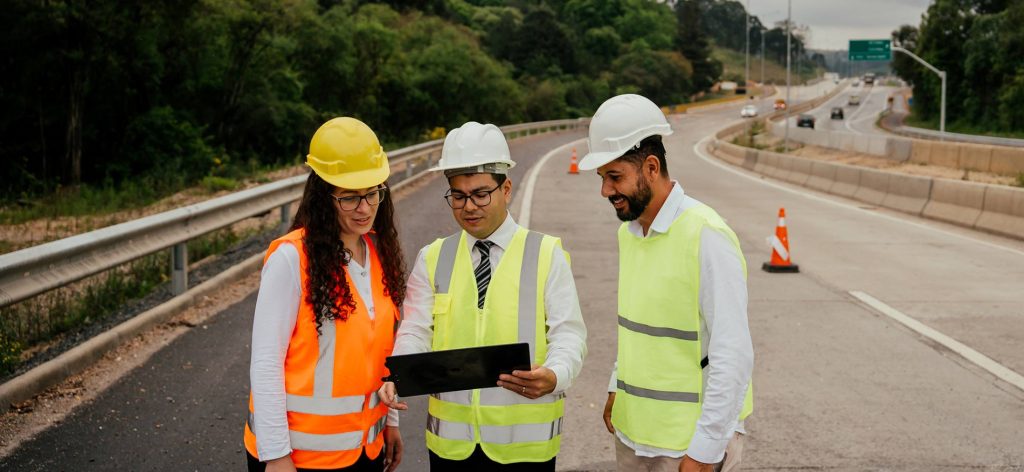
Why Infrastructure Careers Offer Long-Term Stability
Australia has a record $242 billion of public infrastructure in its forward pipeline, and is short around 141,000 of the workers needed to build it. For anyone weighing up a career, that single fact says a lot. The work is enormous, and the people who can do it are in short supply. Job security is…